
The short version: From San Juan it is about a $3 taxi to the TelefériQo base station, then a $9 round-trip cable car up to Cruz Loma at about 3,945 m. From there the trail to the summit of Rucu Pichincha, about 4,696 m, is roughly 10 km round trip and takes 3 to 4 hours, with a rocky scramble on the final stretch. Go in the morning: the ridge clouds over most afternoons, and an early start is what makes the whole day work.
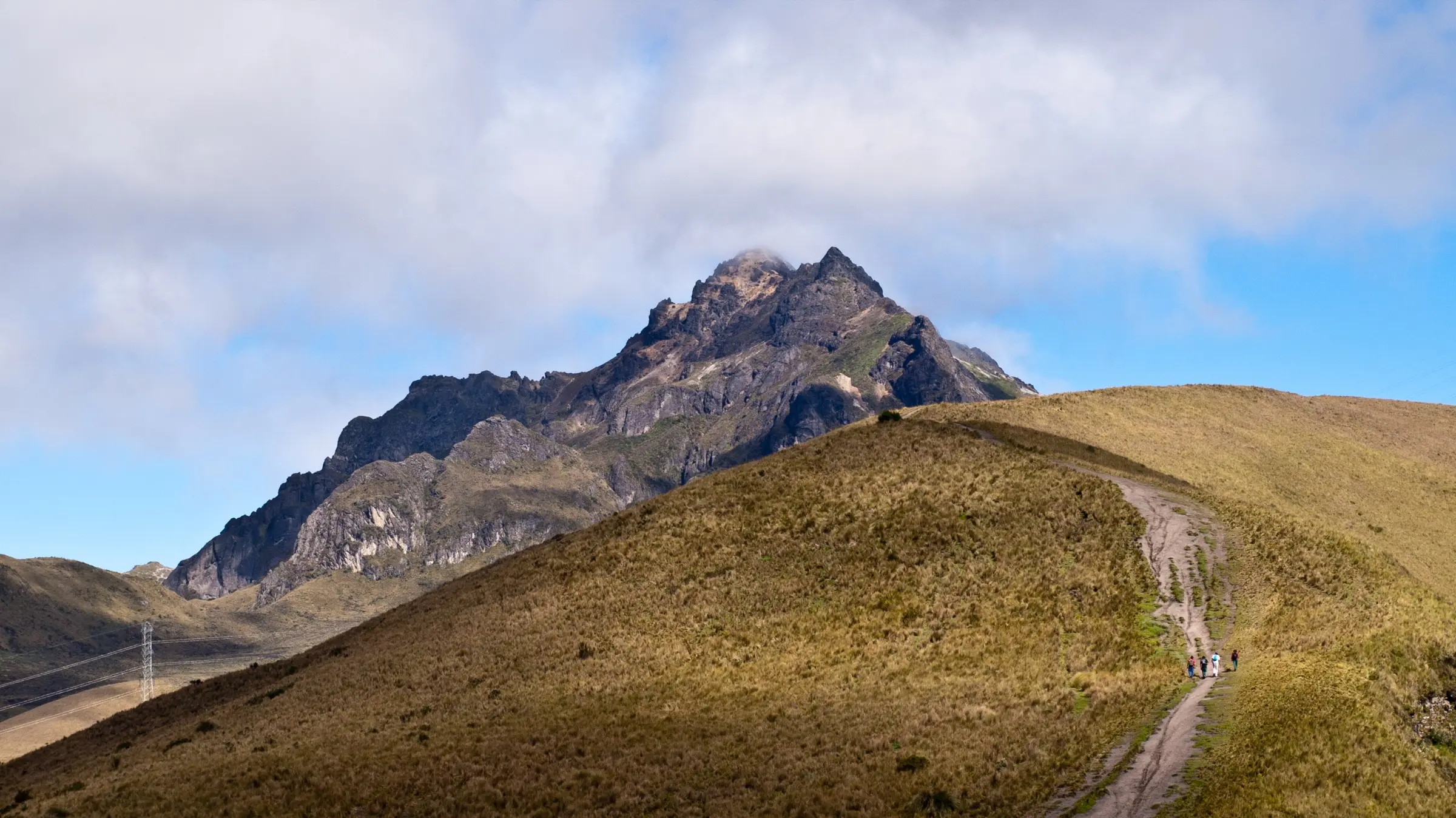
We see this mountain every day from our windows in San Juan, and it is the hike most of our guests end up asking about once they have settled in. It does not require a tour operator, a multi-day itinerary or technical gear, just a cable car ride, sturdy shoes and a morning start. Below is how we send our own guests up it: the TelefériQo details, the trail itself, and what actually matters for safety, which these days is weather and altitude, not the mountain's old reputation.
Rucu vs Guagua: two very different days
Pichincha is really two volcanoes sharing one name, and mixing them up is the most common planning mistake we see. Rucu Pichincha, "old Pichincha," is the dormant peak that rises directly behind Quito and is the subject of this guide: ride the TelefériQo, hike from the top station, and be back in the city by afternoon. Guagua Pichincha, "young Pichincha," is the active crater on the far side of the massif, reached by a long drive to the village of Lloa and a stay at a mountain refuge, which makes it a full expedition rather than a half-day trip. If you have one morning free and want the view, Rucu is the one you want; Guagua is a separate trip that needs its own planning.
Up with the TelefériQo
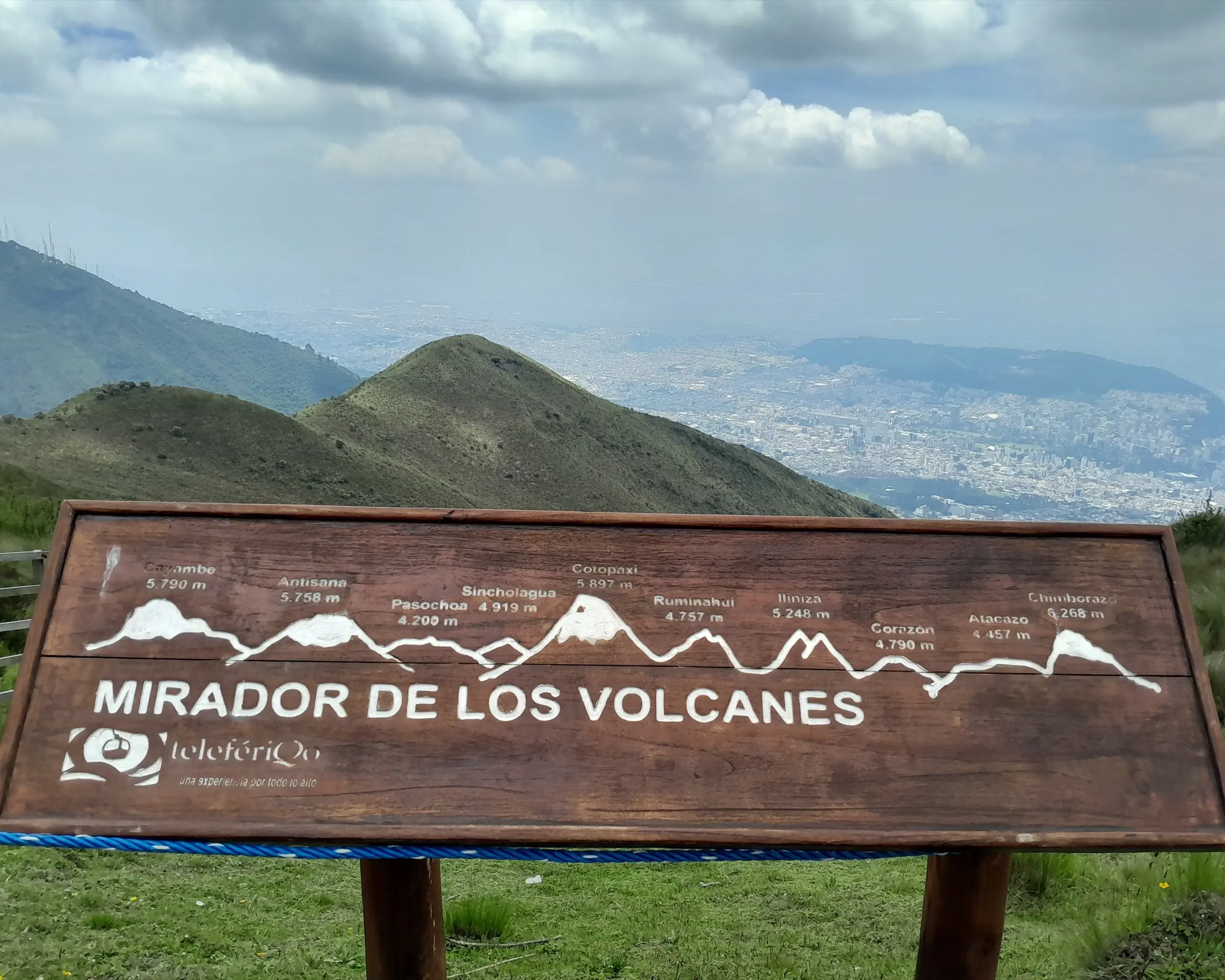
The TelefériQo cable car does the first, biggest chunk of elevation for you, lifting you from the edge of the city to the Cruz Loma ridge in under twenty minutes. A round trip costs $9 for adult foreign visitors, $7 for under-18s and $6.50 for seniors or visitors with a disability, with lower fares for holders of an Ecuadorian cédula. It runs Monday to Thursday from 9 a.m. to 7 p.m. and Friday to Sunday from 8 a.m., with the last ticket sold at 5:30 p.m. and the last cabin down at 7 p.m.; the full current schedule and pricing sit on teleferico.com.ec.
Buy your ticket and ride up as early as the schedule allows. Cruz Loma sits at about 3,945 m, already well above Quito's 2,850 m, so give your legs and lungs a minute at the top station before setting off. This is also where most casual visitors stop, since the ridge alone delivers a full panorama of the city and the surrounding volcanoes without another step toward the summit.
The hike from Cruz Loma to the summit
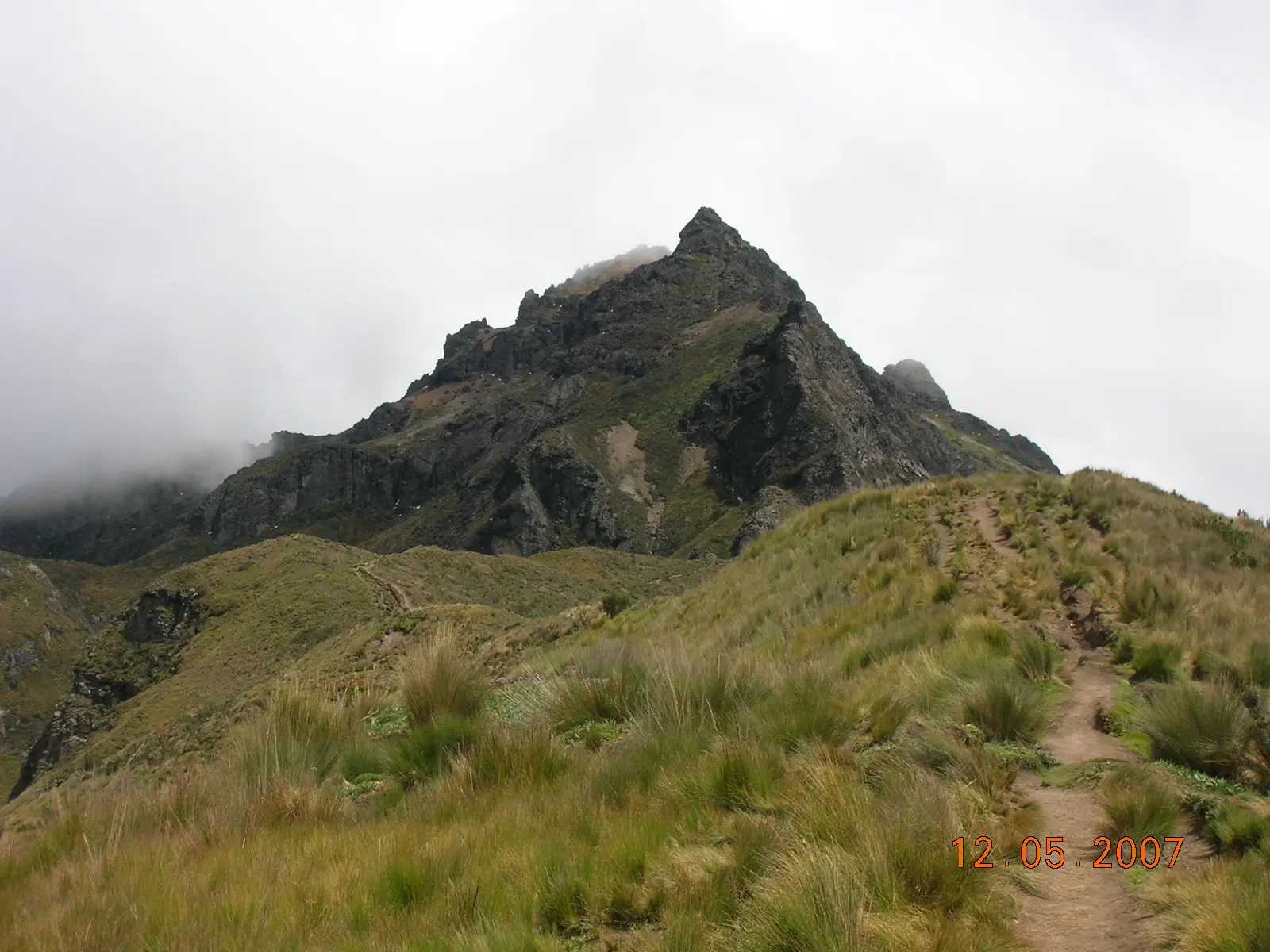
From Cruz Loma the trail to the summit of Rucu Pichincha is roughly 10 km round trip and takes 3 to 4 hours of walking, gaining a further 750 m or so to reach about 4,696 m. The first stretch crosses open páramo grassland on a clear, well-trodden path, gentle enough that many visitors turn it into a shorter out-and-back without ever aiming for the top. The final push is where the character changes: a class 2 to 3 scramble over loose volcanic rock, using hands as much as feet, where a wrong turn in low cloud is easy to make. If you are not going for the summit, the ridge viewpoints partway along make a satisfying turnaround point on their own.
Altitude, not distance, is what catches people out here. The trailhead alone sits higher than most visitors have ever stood, so two or three days in Quito before you attempt it makes a real difference; our altitude guide has a day-by-day plan for acclimatizing before a hike like this one.
Safety and weather
Rucu Pichincha is a well-established, regularly hiked trail today, and the sensible precautions are the same ones you would take on any high mountain path: start early, watch the weather, and turn back if the scramble near the top does not look right in the conditions you find. The morning start matters for visibility as much as anything else, since cloud tends to build over the ridge through the day and can turn the final scramble into a guessing game. Bring a windproof layer and something for rain regardless of how clear the morning looks; the top station and the ridge are consistently colder and windier than the city below.
A guide is not required, and plenty of fit, acclimatized hikers do this trail on their own, but if it is your first time above 4,000 m or you are at all unsure about routefinding on the rocky final stretch, hiring one through the TelefériQo or a local operator is an easy way to make the day simpler. Either way, the mountain itself is the main event here, not a concern to plan around.
From our door
The TelefériQo base station is about a $3 taxi ride from our apartment in San Juan, on the hillside above the Old Town, which is what makes this an easy half-day rather than a production. Head out early, ride up on the first cabins, and you can be back at the apartment for a late lunch and a shower before the afternoon clouds even arrive. It is the same logic behind our viewpoints guide: mornings are when this city shows itself, and starting from San Juan gives you a head start that visitors staying across town do not have.
The apartment is rented long-term now, from $90 nights at $500 a month; if Quito is your base for a season you can check availability on the availability page, and if you want help timing the hike around the weather, message us on WhatsApp before you head out.
Frequently asked questions
Do you need a guide to hike Rucu Pichincha?
Not legally, and many fit hikers do it on their own, but the cable-car company recommends one and it is the safer choice if it is your first time at this altitude or the weather looks unsettled. The final push to the summit is a class 2 to 3 scramble on loose volcanic rock where a wrong turn in cloud is easy. A guide is cheap insurance for a peak that sits above 4,600 m.
Can you hike Rucu Pichincha without acclimatizing?
You should not. The trail starts at about 3,945 m and tops out near 4,696 m, well above Quito’s 2,850 m. Give yourself two or three days in the city first; our altitude guide has a day-by-day plan. Arriving and heading straight up is how people end up with headaches, nausea or worse.
How much does the TelefériQo cost and when is it open?
A round trip is $9 for adult foreign visitors, $7 for under-18s and $6.50 for seniors or visitors with a disability; Ecuadorian-cédula holders pay less. It runs Monday to Thursday 9 a.m. to 7 p.m. and Friday to Sunday from 8 a.m., with the last ticket sold at 5:30 p.m. and the last cabin down at 7 p.m. From our door the taxi to the base station is about $3.
Rucu or Guagua Pichincha, which one?
Rucu is the one you reach from the TelefériQo above the city, a half-day round trip on foot from the top station. Guagua is the active crater on the far side, higher and reached by a long drive to Lloa plus a refuge, so it is a full expedition, usually overnight. This guide is about Rucu, the one you can do from our apartment in a morning.
How do I get from the apartment to the cable car?
Take a taxi or an Uber. From our place in San Juan the base station is about a $3 ride; go early, ride up on the first cabins and you will be on the ridge before the clouds build. There is no sensible way to walk it with the day’s hike still ahead of you.