
The short version: spend your first day or two taking Quito gently at 2,850 m, then step the altitude up in stages: the TelefériQo (about 4,050 m) around day three, a Rucu Pichincha hike after that, and a warm-up peak before you attempt Cotopaxi (5,897 m). Drink water, skip the alcohol at first, and never sleep much higher than the day before. That “climb high, sleep low” rhythm is the whole game.
Quito is one of the few big cities in the world that doubles as an acclimatization camp. You get restaurants, pharmacies, a comfortable bed and a working kitchen, all at an altitude that quietly prepares your body for the Avenue of the Volcanoes. This guide is the plan we watch trekkers follow from our balcony in San Juan.
How high is everything
Numbers help you plan the steps. These are the elevations that matter around Quito (rounded to the usual published figures):
| Place | Altitude |
|---|---|
| Quito (city) / San Juan | ~2,850 m |
| TelefériQo top station (Cruz Loma) | ~4,050 m |
| Rucu Pichincha summit | ≈4,696 m |
| Pasochoa (warm-up peak) | ~4,200 m |
| Corazón / Iliniza Norte (warm-up peaks) | ~4,790 / 5,126 m |
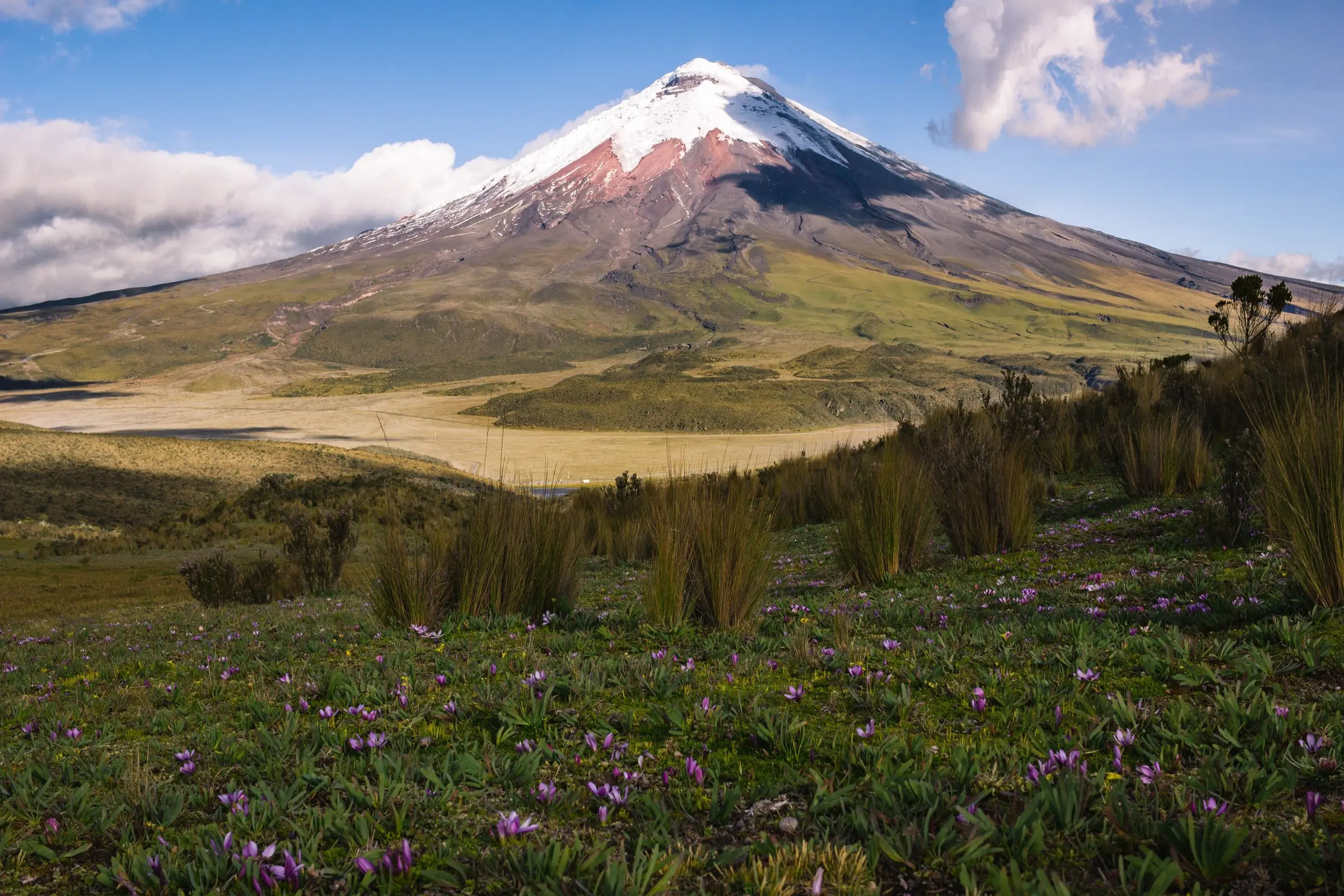
| Cotopaxi | 5,897 m |
| Cayambe | 5,790 m |
| Antisana | 5,704 m |
| Chimborazo (Ecuador’s highest) | 6,263 m |
How the altitude actually feels
Most people notice Quito’s altitude within a few hours of landing. The usual signs of mild altitude sickness (acute mountain sickness, or AMS) are a headache, tiredness, a slight loss of appetite or nausea, feeling a bit breathless on the stairs, and broken sleep on the first night. It typically comes on 2 to 12 hours after you arrive and, crucially, it usually clears within 12 to 48 hours as long as you do not climb higher while you feel it.
None of that means anything is wrong. It is simply your body adjusting to thinner air. The mistake to avoid is powering straight up to the cable car or a summit on day one because you feel fine at breakfast.
The golden rules
- Climb high, sleep low. It is fine to go up during the day; come back down to sleep. Above about 3,000 m, try not to raise your sleeping altitude by more than ~500 m a night.
- Give it time. Rest your first day. Do the easy, low things (the Old Town, a café, the balcony) before the high things.
- Hydrate, ease off alcohol. Drink more water than usual and go light on alcohol and heavy meals for the first 48 hours.
- Listen to a worsening headache. A mild headache that eases with water and rest is normal. One that gets worse as you go higher is a signal to stop going up.
- Warm up before the big peaks. Do not make Cotopaxi your first climb. Guides expect you to have done acclimatization hikes first, and often require it.
A day-by-day plan from Quito
This is a sensible framework if your goal is a 5,000 m-plus climb like Cotopaxi. Stretch or shorten it to your trip and, above all, to how you feel. There is no prize for rushing.
- Day 1: arrive and do nothing much. Settle in at 2,850 m, unpack, cook something simple, walk the flat parts of the Old Town. Hydrate. Early night.
- Day 2: gentle sightseeing. Old Town on foot, the Basílica, a mirador. Still no big altitude gain. See how you slept.
- Day 3: first height, the TelefériQo. Ride up to Cruz Loma (~4,050 m) and take a short, slow walk along the ridge. Turn around well before you are tired. Sleep back down in the city.
- Day 4: recover. Easy day in the valley, laundry, a market, rest. This is “climb high, sleep low” doing its work.
- Day 5: Rucu Pichincha. Hike from the top station toward the summit (≈4,696 m). A real day out at altitude and a real-world test of how you are adapting.
- Day 6–7: a warm-up peak. Pasochoa, Corazón or Iliniza Norte with a guide, to touch ~4,200–5,100 m before the main event.
- Day 8+: Cotopaxi. With acclimatization hikes behind you, you are in far better shape for a summit night, and your operator will be happier to take you.
TelefériQo and Rucu Pichincha, in practice
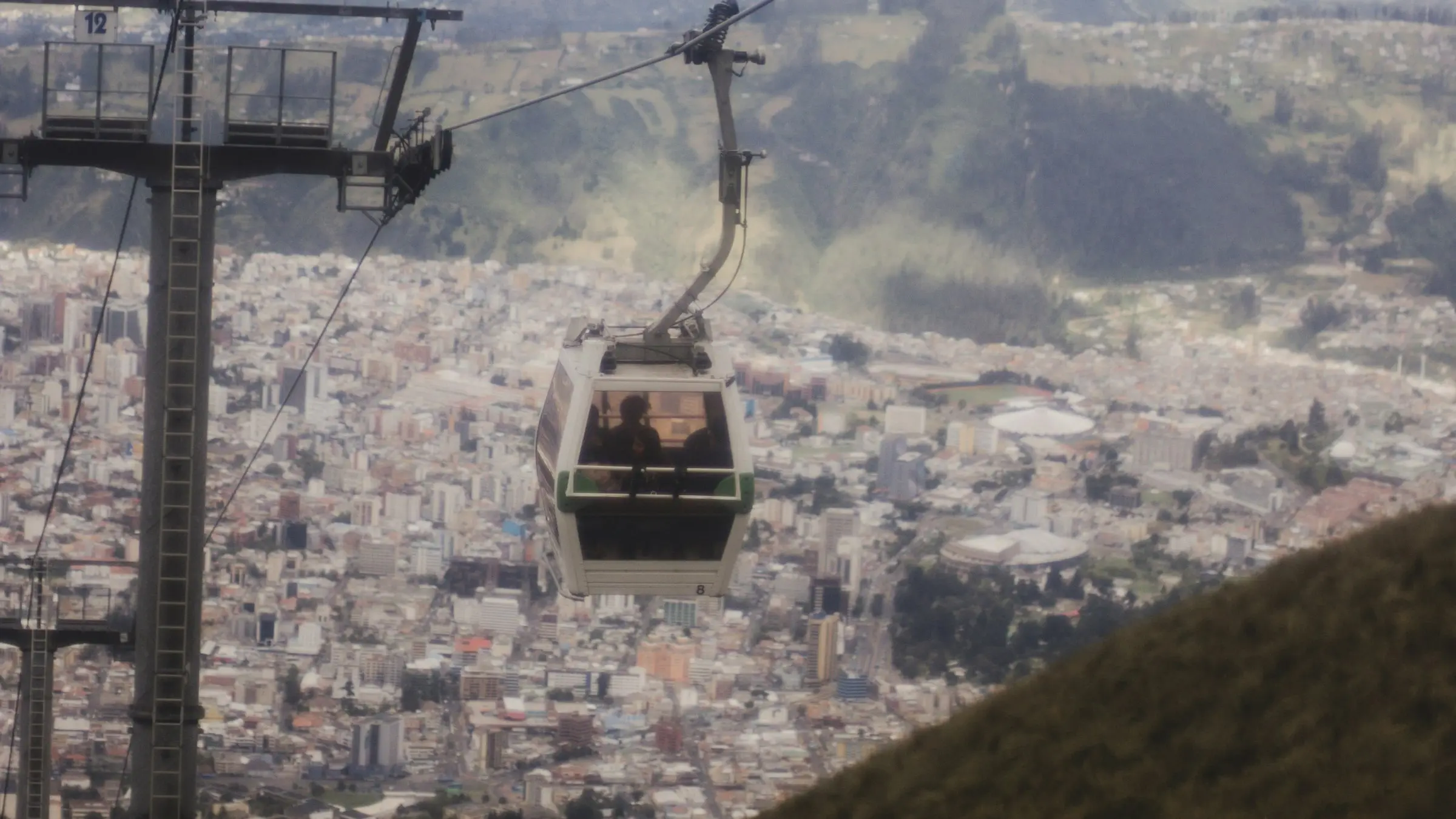
The TelefériQo is the easiest way to feel real altitude near the city. The cable car climbs from a base around 3,100 m to the Cruz Loma station at roughly 4,050 m in about 18 minutes.
- Hours: generally 09:00–19:00 Monday to Thursday and from 08:00 on Friday to Sunday, with the last ticket around 17:30. Check the official site before you go.
- Tickets: a round trip is about $9 for an adult foreign visitor (less for children and seniors) at the time of writing; confirm current prices on the official site.
- Getting there: from San Juan it is a short taxi or Uber, roughly $3–4 and about 15 minutes.
- Rucu Pichincha: from the top station, the round-trip hike to the summit takes most people around 5 to 6 hours. Start before 11:00 to beat the afternoon cloud, carry water, sun protection and a warm layer, and turn back if the weather closes in or the altitude bites.
When to stop and get help
Mild AMS is common and self-limiting. The rare but serious forms are not, and they need action. Come down and seek medical help straight away if you or anyone in your group develops any of these:
- Confusion, unusual behavior, or loss of coordination (unable to walk a straight line)
- Breathlessness at rest, a persistent cough, or chest tightness
- A severe headache that does not respond to rest and fluids, with repeated vomiting
These can be signs of high-altitude cerebral or pulmonary edema (HACE/HAPE), which are medical emergencies. The single most effective treatment is to descend. Quito has good hospitals and pharmacies, another reason it is a reassuring place to acclimatize. This guide is general information from your hosts, not medical advice; if you have heart or lung conditions, are pregnant, or have any concern, speak to a travel-medicine clinic before you travel.
Why base yourself in Quito, and here
Acclimatizing in a comfortable apartment beats doing it in a bare mountain refuge. At Perla de la Montaña you sleep at that useful 2,850 m every night, cook the light, carb-friendly meals that help at altitude, dry your trekking gear between hikes, and rest properly in a dark, cool bedroom. The TelefériQo and the trailheads are a short ride away, and when you are ready for the volcanoes a guide’s truck can collect you right from the door.
When the climbing is done, the same base works for the rest of Ecuador. See our day trips from Quito for Cotopaxi, Quilotoa and more, or the Galápagos stopover guide if the islands are next.
Frequently asked questions
How many days do you need to acclimatize in Quito before Cotopaxi?
Plan on at least two to three nights at Quito’s altitude (2,850 m) and, importantly, at least two acclimatization hikes to around 4,000–5,000 m before a Cotopaxi summit attempt. Many Cotopaxi guiding companies will not take clients who have not done warm-up climbs first. A common progression is Rucu Pichincha, then a peak like Pasochoa, Corazón or Iliniza Norte, then Cotopaxi.
What is the altitude of Quito?
Quito sits at about 2,850 m (9,350 ft), which makes it the second-highest capital city in the world after La Paz. San Juan, on the hillside above the Old Town, is a touch higher at roughly 2,850–2,890 m.
Is Quito high enough to cause altitude sickness?
Yes. Mild altitude sickness (a headache, tiredness, a little breathlessness or trouble sleeping the first night) is common at 2,850 m and usually settles within 12–48 hours if you take it easy and do not climb higher. Serious altitude illness is uncommon at Quito’s elevation but the risk rises quickly once you head up to the TelefériQo, Rucu Pichincha or the volcanoes.
Can I take the TelefériQo cable car on my first day?
It is better to wait until day two or three. The top station sits around 4,050 m, well above the city, and going straight up on arrival day is the fastest way to bring on a headache. When you do go, drink water, walk slowly, and turn back if you feel unwell.
Does coca tea help with altitude?
Coca tea (mate de coca) is a traditional Andean remedy and many travelers find it pleasant, but it is no substitute for proper acclimatization. The things that actually help are ascending gradually, resting the first day, drinking plenty of water and going easy on alcohol.
Should I take Diamox (acetazolamide) for Quito?
That is a decision to make with a doctor before you travel, based on your health and your itinerary. Many climbers heading for 5,000 m-plus peaks discuss it with a travel-medicine clinic. We are hosts, not medics, so we will not advise for or against it, only suggest you ask a professional.